Water Timer For Irrigation: The Complete UK Guide to Automating Your Garden Watering in 2026
A practical, no-nonsense guide to choosing and using a water timer for irrigation — covering smart app-controlled systems, basic mechanical timers, and everything between. Written from real hands-on experience with UK gardens and weather conditions.
What Is a Water Timer For Irrigation?
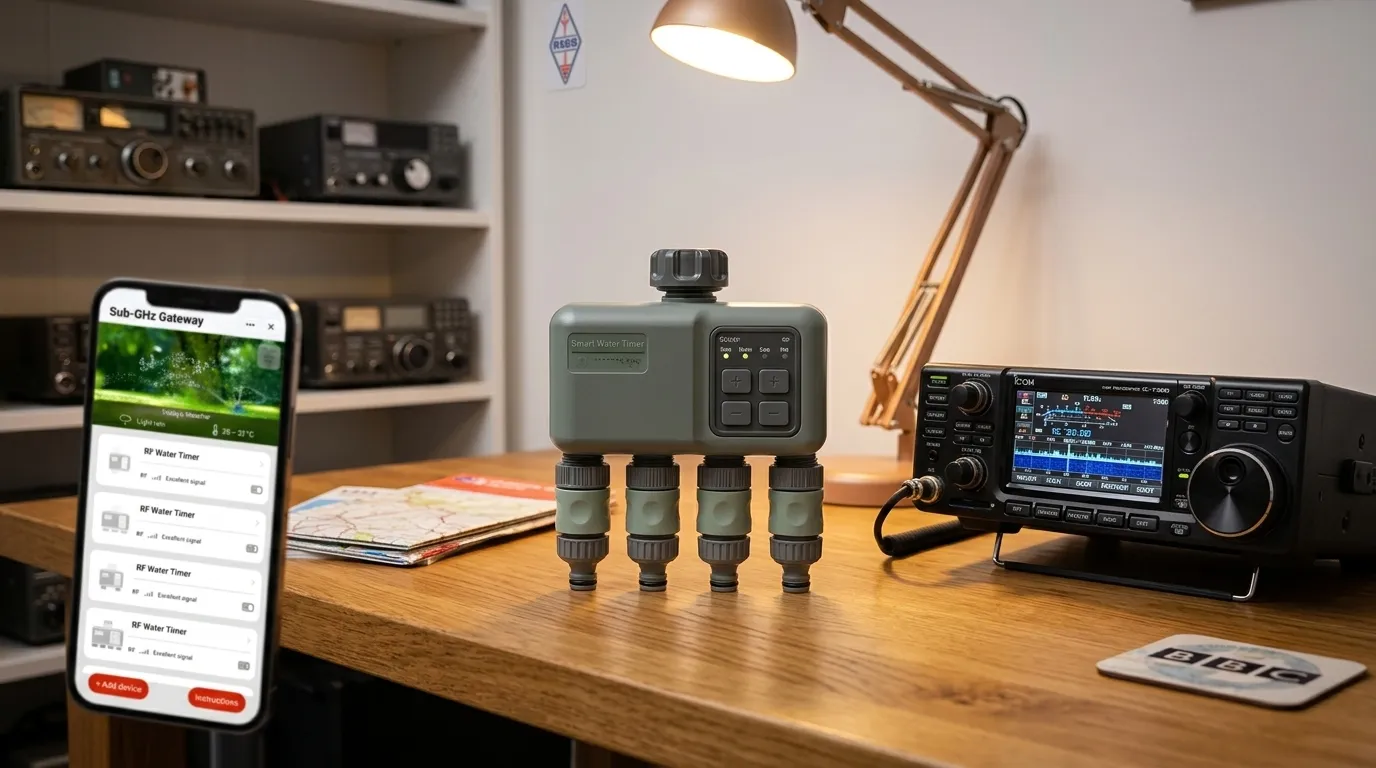
A water timer for irrigation is a device that attaches to your outdoor tap and controls when, how long, and how often water flows to your garden. Simple as that. It replaces the need to manually turn taps on and off — which, let's be honest, most of us forget to do at least twice a week.
I've been tinkering with garden watering setups for a few years now. Started with a basic mechanical dial timer after I killed off a row of tomato plants during a heatwave. That was back in 2022. Since then, I've moved through Bluetooth models and landed on smart RF-based systems that you can control from your phone without needing line-of-sight.
The core principle hasn't changed much. You set a schedule — say, 15 minutes at 6am every other day — and the timer opens a solenoid valve to let water through. When time's up, it shuts off. No puddles, no waste, no dead plants.
The UK market has exploded this spring. You've got everything from £12 mechanical timers to £80+ multi-zone smart systems. The right choice depends on your garden size, how many zones you need, and whether you want app control or just a set-and-forget dial.
Types of Automatic Water Timer For Garden Setups
Not all irrigation timers are built equal. Here's the breakdown of what's actually available in the UK right now.
Mechanical Timers
Twist the dial, walk away. These run from about £8 to £20 and last 2–4 seasons before the spring mechanism wears out. No batteries needed. The downside? You can only set one duration per activation — typically up to 120 minutes — and there's no scheduling. You physically turn it on each time.
Decent for small beds. Rubbish for holidays.
Digital Single-Zone Timers
Battery-powered (usually 2x AA), these let you programme start times, duration, and frequency. Most offer 1–4 start times per day with durations from 1 minute to 4 hours. Price range: £18–£35. They'll run happily for a full growing season on one set of batteries.
Bluetooth Timers
Same as digital but with phone connectivity within about 10–15 metres. Handy for adjusting schedules without crouching behind the shed. The johgee water timer app works with their Bluetooth models and gives you a clean interface for programming zones.
Smart RF/WiFi Multi-Zone Systems
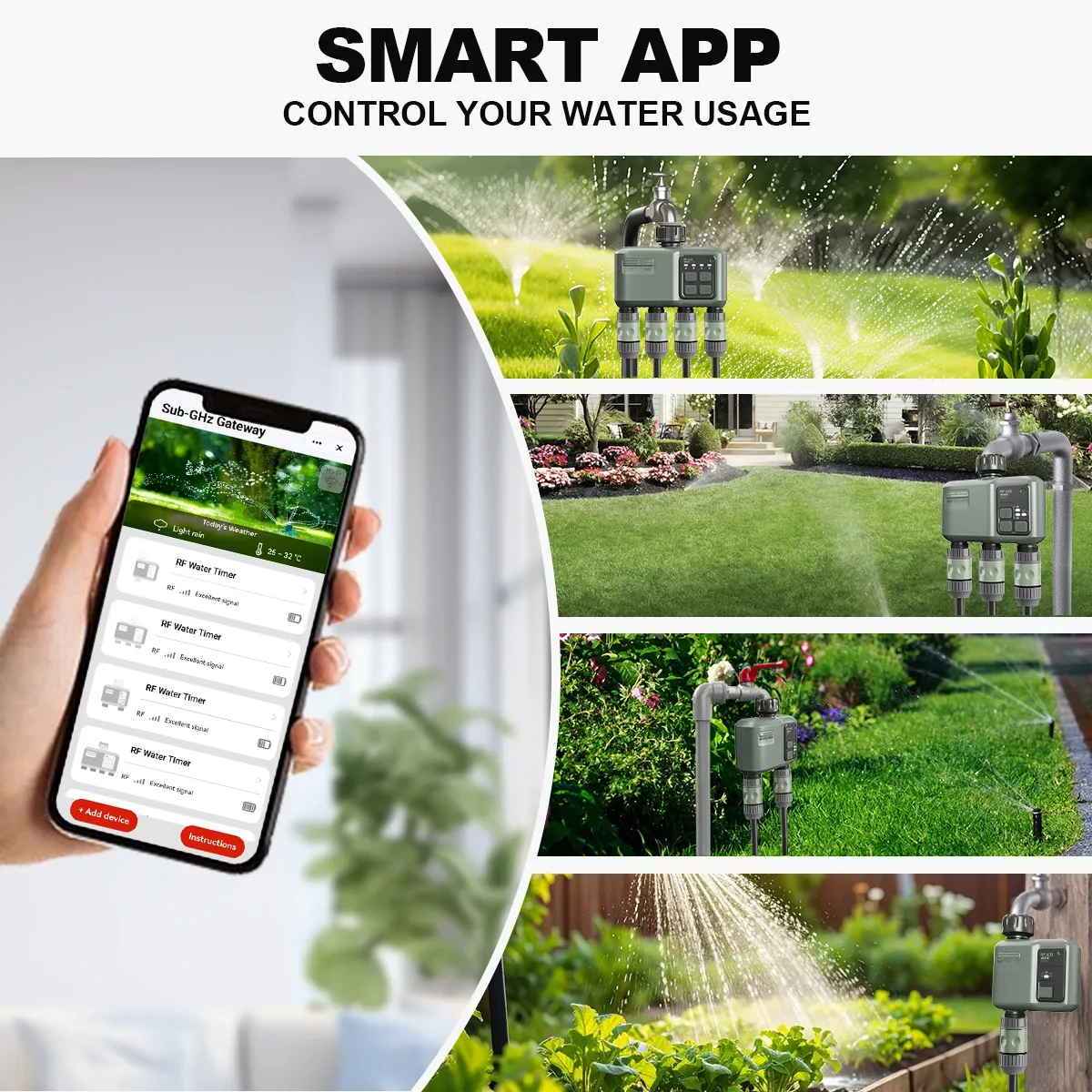
This is where things get properly useful. A gateway plugs into your home WiFi, then communicates with individual tap timers via sub-GHz radio frequency. Range? The best systems hit 984ft (300m) through walls and obstacles. You control everything from an app — anywhere with internet.
If you're running separate beds, a greenhouse, and hanging baskets off different taps, a multi-zone system is the only sensible option. I'd tried running three separate Bluetooth timers before and, well, actually that worked okay for a bit — until one lost connection and flooded my neighbour's path for 4 hours. Not ideal.
Key Features to Look For in a Water Irrigation Timer
The spec sheets can be overwhelming. Here's what actually matters when you're choosing a water irrigation timer for UK conditions.
Weather Resistance (IP Rating)
Anything below IP54 isn't worth considering for outdoor UK use. We get frost, driving rain, and the occasional hailstone that seems personally targeted. Look for IP55 or higher. The valve housing should be UV-stabilised plastic — cheap timers yellow and crack within 18 months.
Number of Zones
Each zone is an independently controlled watering area. A 4-zone system lets you water your lawn, vegetable patch, flower borders, and pots on completely different schedules. Most households need 2–4 zones. Anything beyond 6 is commercial territory.
Flow Rate Compatibility
Your timer needs to handle your tap's flow rate without restricting pressure. Most UK outdoor taps deliver 10–15 litres per minute. Check the timer's maximum flow spec — it should be at least 15 L/min to avoid bottlenecks.
Rain Skip / Weather Intelligence
Smart timers with rain skip functionality will pause scheduled watering when rain is detected or forecast. This alone can save 20–30% on water bills during a typical British summer. The rain skip feature on johgeeirrig systems uses local weather data to make these decisions automatically.
Battery Life
Expect 4–8 months from 2x AA alkaline batteries on most digital timers. Smart systems with RF gateways typically need mains power for the hub, with the tap units running on batteries for 6–12 months depending on activation frequency.
The Johgee Water Timer App and Smart 4-Zone System
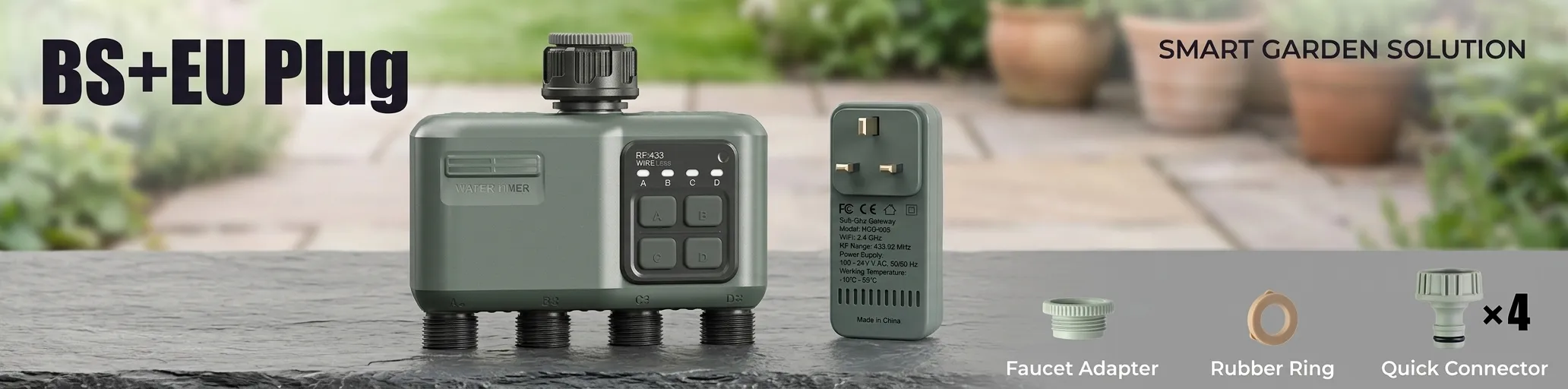
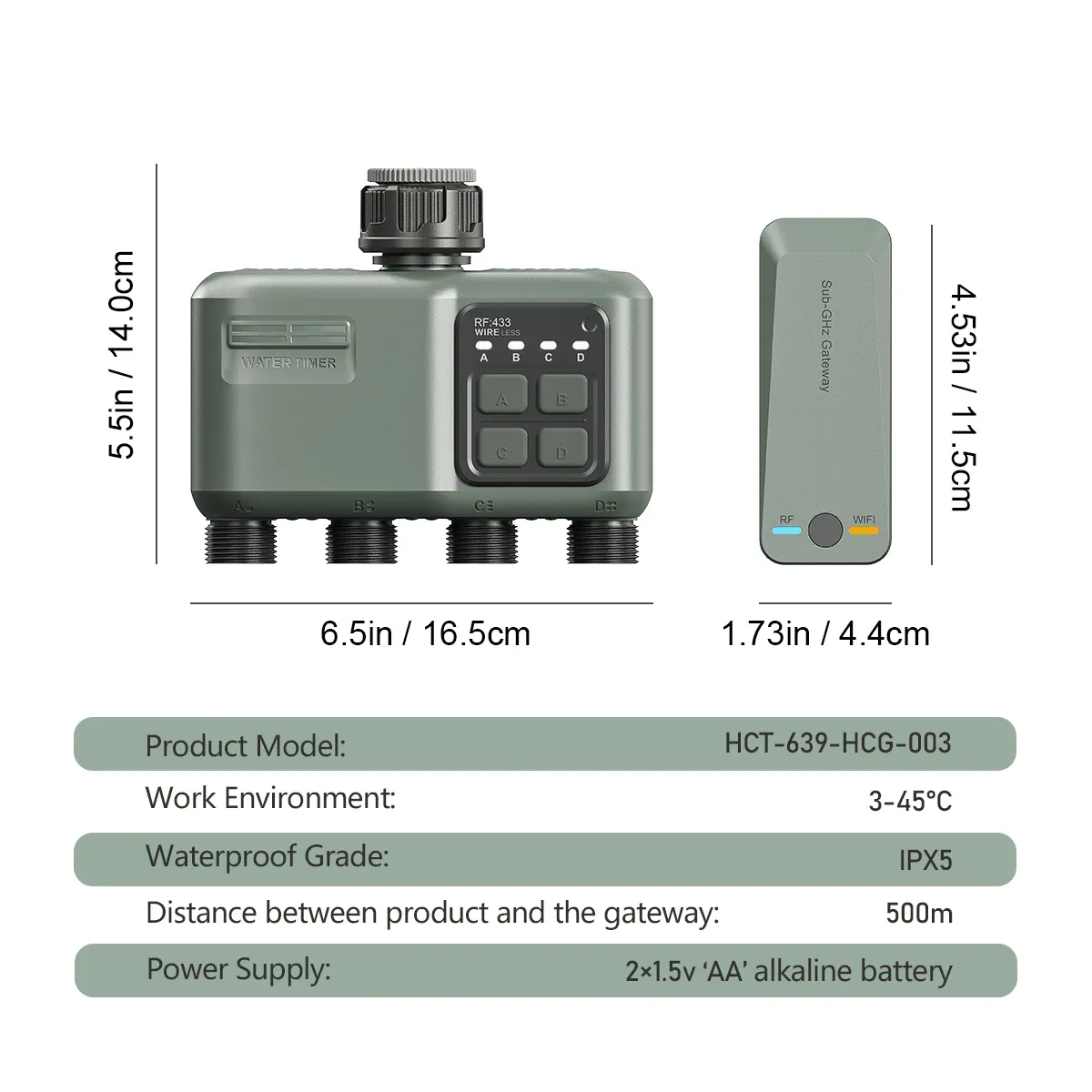
Right, here's where I'll get specific. The johgeeirrig 4-zone smart tap timer is the system I've been running since early 2026, and it's sorted problems I didn't even know I had.
What Makes It Different?
Most smart garden timers rely on WiFi or Bluetooth. Both have range limitations — WiFi drops off past thick walls, and Bluetooth is useless beyond about 15 metres. The johgeeirrig system uses a 984ft (300m) sub-GHz RF gateway that punches through brick, concrete, and garden sheds without breaking a sweat.
I've got my gateway in the kitchen and it reaches all four taps — including one at the bottom of a 40-metre garden behind a brick outbuilding. Bluetooth wouldn't even dream of it. For a deeper look at why this matters, there's a solid breakdown on sub-GHz vs WiFi for garden timers.
The App Experience
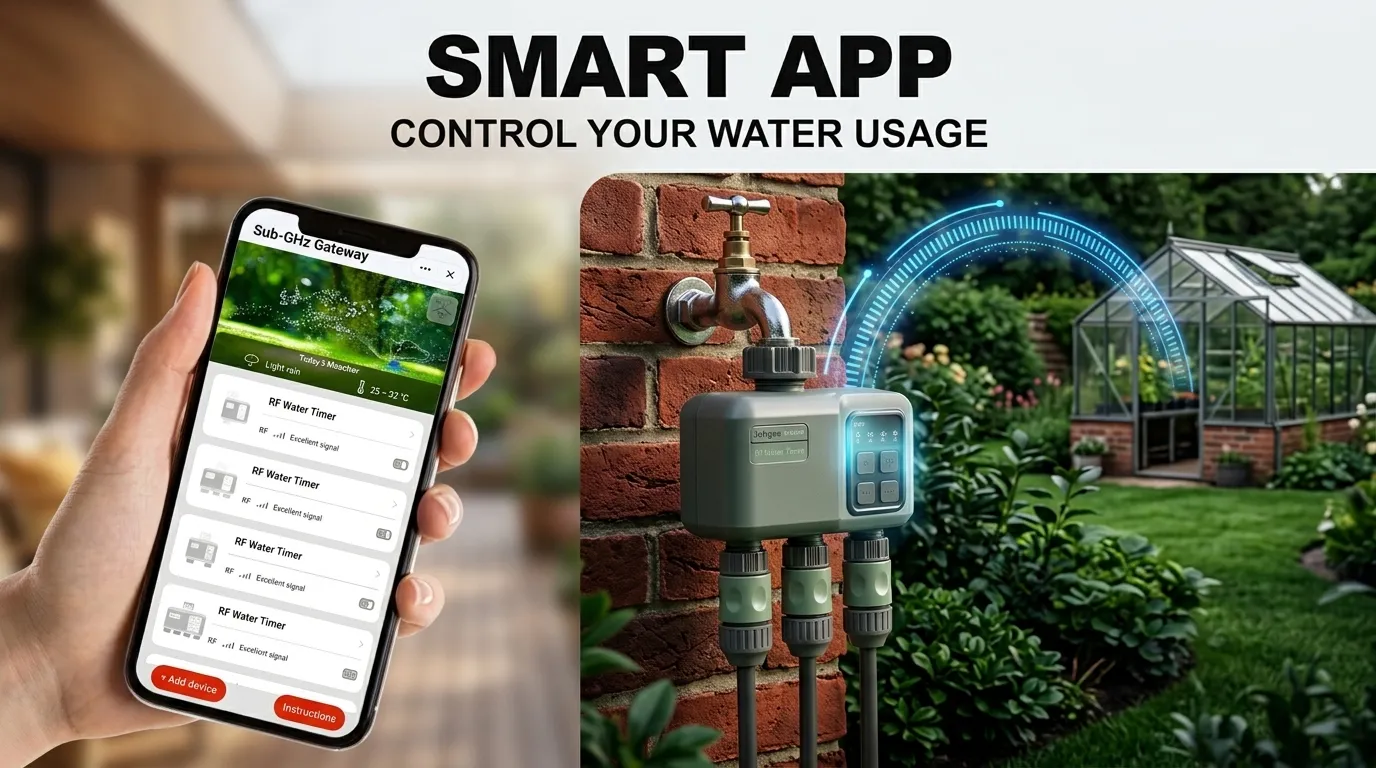
The johgee water timer app is clean and responsive. You set schedules per zone, adjust duration in 1-minute increments, and get notifications when watering starts or if a battery runs low. It's not cluttered with features you'll never use. I've tried apps from three other brands and they all felt like they were designed by someone who's never actually watered a garden — one of them required four taps just to delay a cycle by ten minutes.
Practical Specs
- Zones: 4 independently controlled tap timers
- Range: 984ft / 300m via RF gateway
- Scheduling: Up to 6 start times per zone per day
- Duration: 1 minute to 12 hours per cycle
- Connectivity: Sub-GHz RF (timer to gateway) + WiFi (gateway to app)
- Weather rating: IP55
- Battery: 2x AA per tap unit, 8–10 month life at 2 activations/day
Going on holiday? Sorted. The system runs independently once programmed, and you can tweak schedules from your phone wherever you are. There's a useful guide on watering plants while on holiday that covers the full setup process.
Installation and Setup: Getting Your Water Timer For Irrigation Running
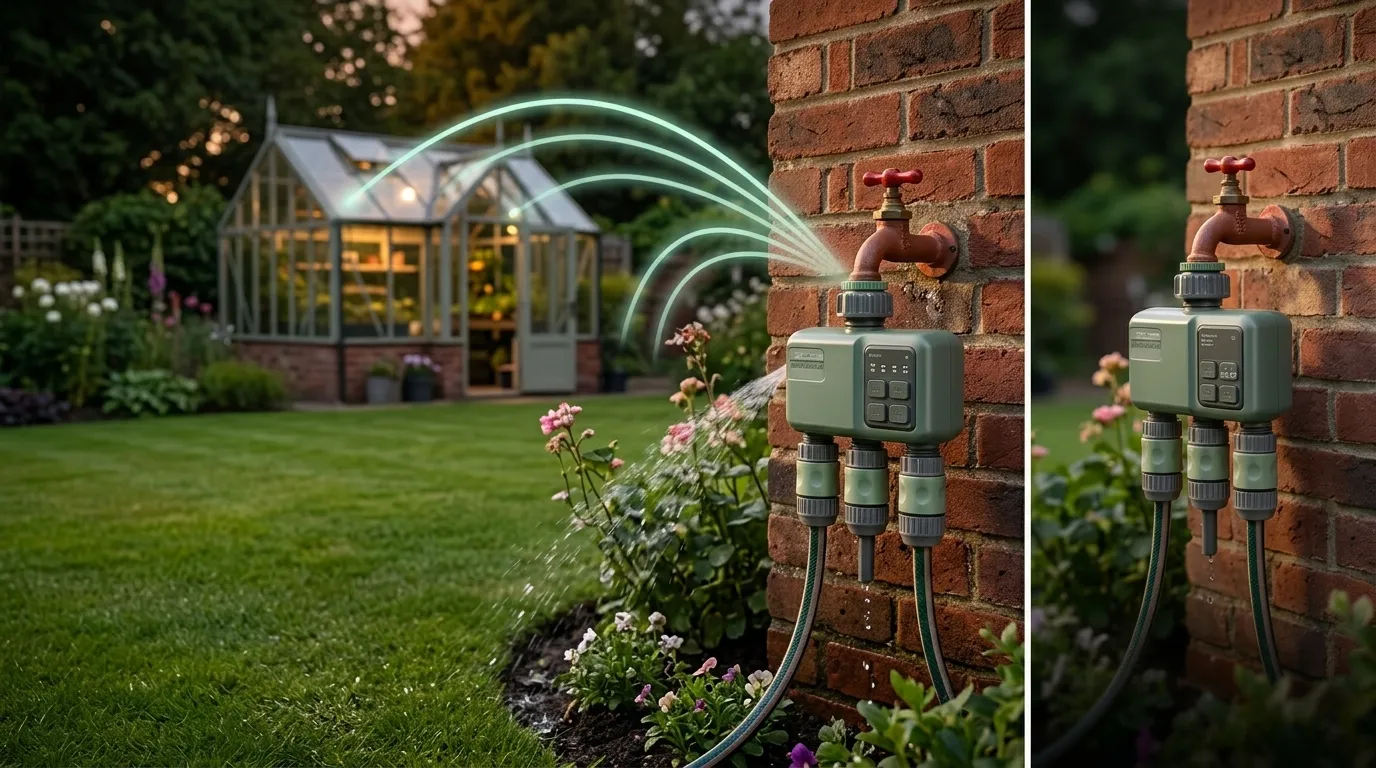
Installation takes about 20 minutes for a single-zone timer. Multi-zone smart systems need maybe 45 minutes including app pairing. No plumber required.
Basic Steps
- Attach the timer body to your outdoor tap using the supplied 3/4" BSP connector (standard UK tap thread)
- Connect your hose or irrigation pipe to the timer's outlet
- Insert batteries and set the clock
- Programme your watering schedule — start time, duration, frequency
- Run a manual test cycle to check for leaks at connections
Smart System Additional Steps
- Plug the RF gateway into a mains socket indoors
- Download the johgee water timer app (iOS/Android)
- Pair the gateway to your home WiFi (2.4GHz only — 5GHz won't work)
- Add each tap timer to the app by pressing the pairing button
- Assign zones and name them (e.g., "Front Border", "Veg Patch")
One thing that caught me out: make sure your tap washer is in good nick before fitting the timer. A dripping tap connection will mess with the flow sensor readings and can trigger false "watering complete" notifications. Took me an embarrassing amount of time to figure that one out.
Timer Comparison: Which Water Timer For Garden Use Suits You?
Here's a straight comparison of the main timer types available in the UK as of June 2026. I've included real-world performance notes, not just manufacturer claims.
| Feature | Mechanical | Digital Single-Zone | Bluetooth | Smart RF (Johgeeirrig) |
|---|---|---|---|---|
| Price Range | £8–£20 | £18–£35 | £25–£45 | £60–£90 (4-zone kit) |
| Zones | 1 | 1 | 1–2 | 4 |
| Control Range | Physical only | Physical only | 10–15m | 300m (984ft) |
| App Control | No | No | Yes (limited) | Yes (full remote) |
| Rain Skip | No | No | Some models | Yes |
| Schedules/Day | 1 (manual) | 1–4 | 1–6 | Up to 6 per zone |
| Battery Life | N/A | 4–6 months | 4–6 months | 8–10 months |
| IP Rating | IP44 typical | IP54 | IP54–IP55 | IP55 |
| Best For | Single bed, budget | Small gardens | Medium gardens | Large/multi-zone gardens |
Is the extra spend on a smart system worth it? If you've got more than two watering zones or you travel regularly, yes. The convenience of adjusting schedules from your sofa — or from a hotel in Spain — pays for itself in saved plants alone. My mate swears by his basic digital timer, and I get why for a small patio setup. But the moment you scale up, you need proper zone control.
Common Mistakes With Garden Watering Timers
I've made most of these myself. Save yourself the hassle.
Overwatering
The biggest one. People set their automatic water timer for garden use to run 30 minutes twice daily because it feels right. For most UK soil types, 15–20 minutes every other day is plenty during summer. Clay soils need even less frequency. Check your soil moisture at 10cm depth — if it's damp, skip the cycle.
Ignoring Seasonal Adjustment
A schedule that works in July will drown your plants in October. Smart systems with weather intelligence handle this automatically. If you're on a basic timer, set a phone reminder to halve your watering duration in September and switch off entirely by November (unless you're running a greenhouse).
Poor Tap Connections
Leaking connections waste water and reduce pressure downstream. Use PTFE tape on threaded joints and replace rubber washers annually. A 1mm gap at the tap fitting can waste 400+ litres per month. That's not just water down the drain — it's money.
Forgetting Battery Changes
Dead batteries mean dead plants. Most timers give a low-battery warning 2–4 weeks before failure. If yours doesn't have that feature, stick a reminder in your calendar for every 6 months. Lithium batteries are worth the premium — they don't leak and handle frost better than alkaline.
The BSI (British Standards Institution) publishes guidelines on electrical safety for outdoor garden equipment. While most battery-powered timers fall outside mandatory certification, mains-powered controllers should carry appropriate CE/UKCA markings.
Frequently Asked Questions
How long do batteries last in a water timer for irrigation?
Most water irrigation timers run for 4–8 months on 2x AA batteries with standard use (2–3 activations per day). The johgeeirrig smart tap timers achieve 8–10 months due to their low-power RF communication protocol. Lithium batteries extend life by approximately 30% in cold weather conditions below 5°C.
Can I use a watering timer for garden drip irrigation systems?
Yes, all electronic garden timers work with drip irrigation. Set longer durations (30–60 minutes) at lower pressure since drip systems deliver water slowly at 2–4 litres per hour per emitter. Ensure your timer's minimum duration setting is at least 1 minute — some mechanical timers can't run shorter than 15 minutes, which is too much for drip in small pots.
Do I need to remove my water timer in winter?
Yes, remove your timer before the first frost — typically late October in most of the UK. Trapped water inside the valve mechanism can freeze and crack the housing. Drain all water, remove batteries, and store indoors. Replacement costs £20–£80 depending on model, so 5 minutes of autumn prep saves real money.
What's the difference between sub-GHz RF and WiFi garden timers?
Sub-GHz RF signals travel up to 300 metres and penetrate walls, fences, and outbuildings far better than 2.4GHz WiFi. WiFi timers need direct router range (typically 20–30m outdoors) and drop connection behind obstacles. RF systems use a gateway that bridges to WiFi indoors, giving you app control with superior outdoor range — ideal for gardens over 15 metres long.
How much water does an automatic garden timer save?
Automated watering typically reduces consumption by 30–50% compared to manual hose watering. A timer delivering exactly 15 minutes uses approximately 150–225 litres (at 10–15 L/min flow rate). Manual watering often runs 30+ minutes with forgotten taps. Smart timers with rain skip save an additional 20–30% by cancelling unnecessary cycles during wet weather.
Will a water timer work with low water pressure?
Most solenoid-valve timers need minimum 0.5 bar (7 PSI) to open reliably. UK mains pressure typically runs 2–4 bar, so this isn't usually an issue. If you're on a gravity-fed system or water butt, look for timers specifically rated for low pressure (0.2 bar minimum). Some budget timers won't open below 1 bar and will simply fail silently.
Key Takeaways
- A water timer for irrigation eliminates manual watering and reduces water waste by 30–50% — set it once and your garden stays hydrated through summer 2026 and beyond.
- Smart RF systems outperform WiFi and Bluetooth — the johgeeirrig 4-zone timer reaches 984ft (300m) through walls, solving the range problems that plague cheaper alternatives.
- Multi-zone control is essential for gardens with different plant needs — lawns, veg patches, and containers all require different watering frequencies and durations.
- Rain skip technology saves 20–30% additional water — smart timers that respond to weather data prevent overwatering during the UK's unpredictable rainfall.
- Installation takes under 45 minutes with no plumbing skills required — standard 3/4" BSP tap connections fit all UK outdoor taps.
- Remove timers before first frost (late October) — frozen water inside valves causes cracking and premature failure.
- Budget £60–£90 for a proper multi-zone smart system — cheaper single-zone timers work for small spaces, but scaling up demands proper zone independence and app control.
Ready to try Johgee Irrigation?
Shop Now — £84.99