How to Install Drip Irrigation for UK Raised Beds
How to Install Drip Irrigation for UK Raised Beds
TL;DR: For drip irrigation for raised beds UK gardeners can rely on, connect a timer to your outside tap, then add a filter and pressure reducer, run a 13mm mainline to each bed, and finish with 4mm microline or inline drippers spaced to suit your crops. Based on our testing in UK gardens and allotments, this setup cuts water waste, keeps leaves drier (helpful in humid summers), and makes watering consistent during dry spells and potential hosepipe restrictions.
If you are searching for drip irrigation for raised beds UK, the best approach is a simple micro-drip system that delivers water slowly at soil level inside each bed. Because raised beds drain freely and warm up quickly, they also dry out faster than in-ground borders鈥攕o drip irrigation keeps moisture steady at the roots without the daily effort of hand watering.
Raised bed gardening has seen a resurgence across the UK, from urban London courtyards to Yorkshire allotments. They offer superior drainage, warmer soil, and a tailored environment for vegetables. However, that excellent drainage has a downside: raised beds can dry out rapidly. Therefore, when the unpredictable British summer swings into a sudden dry spell, keeping your veg patch hydrated can become a tedious, twice-daily chore.
The most efficient, reliable solution is installing drip irrigation for raised beds UK gardeners can depend on. Rather than losing time and water with a traditional hosepipe, a dedicated vegetable garden watering system delivers moisture directly to the root zone. At Johgee Irrigation, we see the difference a well-planned setup makes: more consistent growth, fewer stressed plants, and better resilience when hot weather arrives.
Key Takeaways
- Water Efficiency: Drip systems can use significantly less water than hosepipes by targeting the root zone directly (especially important on a meter).
- Healthier Plants: Keeping foliage drier can reduce risk from common UK fungal issues such as tomato blight and powdery mildew.
- Easy DIY Setup: A micro drip watering system setup typically needs only basic tools (scissors/secateurs, a hole punch, and standard connectors).
- Automation: Add a timer for consistent watering even when you are away鈥攗seful during warm spells and school holidays.
Before diving into the practical steps, it helps to see where raised-bed drip irrigation sits within your wider watering plan. For a broader overview of options suitable for UK homes and allotments, read our Ultimate Guide to Garden Irrigation Systems in the UK.
Why use drip irrigation in raised beds in the UK?
Switching from manual watering to a dedicated drip system changes how you manage your veg patch. In addition to saving time, it supports more consistent soil moisture鈥攑articularly valuable in raised beds.
Does drip irrigation save water compared with a hosepipe?
Yes. According to Water UK, a standard garden hosepipe can use up to 1,000 litres of water in an hour鈥攎ore than many households use in a day. By contrast, drip irrigation releases water slowly (often around 2鈥? litres per hour per dripper), which helps soil absorb moisture without runoff. As a result, if you are on a water meter, this efficiency can make a noticeable difference. If you want the numbers, we also cover costs in do automatic watering systems save money on bills?.
Is drip irrigation better for tomatoes and other veg in humid UK summers?
Often, yes. Overhead watering can splash soil onto leaves and keep foliage wet, which can contribute to disease pressure in warm, humid weather. Drip irrigation applies water at soil level, so leaves stay drier鈥攐ne practical step (alongside spacing, airflow, and rotation) that many UK growers use to reduce issues like blight.
Will drip irrigation reduce weeds in a raised bed?
It can help. Because drip systems deliver water only where you place emitters or lines, you avoid soaking the entire bed surface. Consequently, fewer weed seeds get the consistent moisture they need to germinate.
What do I need for drip irrigation in raised beds (UK shopping list)?
Putting together a raised-bed drip system is straightforward once you know the core parts. Based on our Johgee Irrigation installations and testing, these components cover most UK garden setups:
- Outside Tap Connector & Manifold: Connects to the mains tap. A 2-way or 4-way manifold is helpful if you still want to use a hose or fill watering cans.
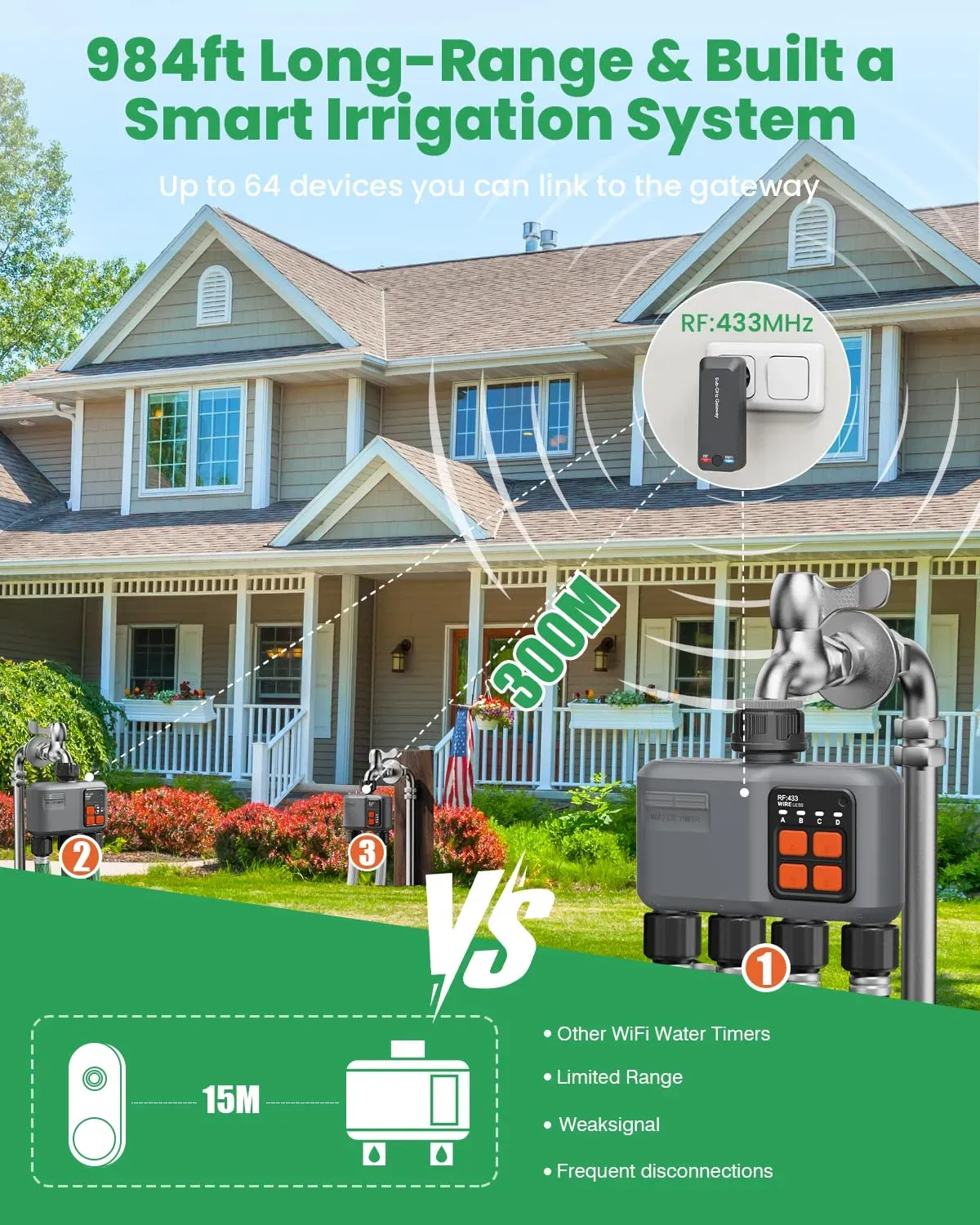
- Water Timer (optional but recommended): Automates watering for consistency. Choose a model compatible with UK tap threads (BSP).
- Pressure Reducer: UK mains pressure is usually too high for micro-irrigation. A reducer (commonly down to around 1.5 bar) helps prevent fittings blowing off and keeps flow steady.
- Inline Water Filter: Helps prevent grit and limescale from clogging emitters鈥攊mportant in hard-water areas.
- Main Supply Pipe (13mm or 14mm LDPE): The rigid black pipe carrying water from the tap to each raised bed.
- Micro Pipe (4mm or 6mm): Flexible tubing that branches into the bed for individual plants or short runs.
- Drippers / Emitters: Choose pressure-compensating drippers for more even output, or adjustable drippers for flexibility as crops change through the season.
- Fittings and Connectors: T-pieces, elbows, straight couplers, end stops, and take-offs to route pipe neatly around timber sides and corners.
- Hold-down Pegs: Keep pipe pinned in place, especially in newly filled beds where soil settles.
How do you install drip irrigation for raised beds? (Step-by-step UK guide)
You can usually complete a micro drip watering system setup in an afternoon. However, taking ten minutes to plan first prevents leaks, uneven watering, and frustration later.
Step 1: How do I plan a drip layout for raised beds?
Start by sketching each bed and measuring the distance from your outside tap to the furthest bed. Then decide whether you are watering rows (inline dripline) or individual plants (micro pipe with drippers). Count plants to estimate drippers, and note crop groupings (for example, salads vs tomatoes) so you can water zones differently. For more on overall design, see our comprehensive guide to planning your garden watering setup.
Step 2: What order do the tap connections go in (timer, filter, pressure reducer)?
In most UK setups, connect in this order: tap 鈫?timer (if using) 鈫?filter 鈫?pressure reducer 鈫?adapter to 13mm/14mm mainline. Hand-tighten threaded fittings and, if needed, use PTFE tape on the tap thread to stop slow drips.
Step 3: How do I run the 13mm mainline to a raised bed neatly?
First, warm the 13mm LDPE in the sun for an hour so it unrolls and bends more easily. Next, run the mainline from the tap towards the beds. When you reach a bed, use elbows to take the pipe up the outside of the timber, then over the lip onto the soil surface. Finally, peg it down so it does not shift when you are weeding or harvesting.
Step 4: Should I use inline drippers, micro pipe, or dripline in raised beds?
It depends on what you grow and how often your layout changes. For fixed spacing (for example, strawberries or a set row), dripline or inline drippers are tidy. For mixed planting, 4mm micro pipe with individual drippers is more flexible. Based on our testing, a practical compromise for many UK raised beds is a 13mm ring or spine in the bed with short 4mm tails to each plant.
Step 5: How do I add emitters without leaks?
Use a proper hole punch for the mainline to ensure a clean, snug hole. Push the barb fitting in fully, then attach your 4mm micro pipe. If you are inserting drippers directly, seat them firmly and keep runs short to maintain even flow. After that, cap line ends with an end stop (or a figure-of-eight) so you can open and flush later.
Step 6: How do I test and set a watering schedule for UK weather?
Before burying or heavily pegging everything down, run the system and check every joint for drips. Then confirm each dripper is flowing. Start with shorter, more frequent cycles during warm spells (raised beds dry quickly), and reduce frequency after rain. According to common UK water-saving guidance, watering early morning reduces evaporation and helps plants cope through the day; a timer makes this easy to stick to consistently.
Frequently asked questions about drip irrigation for raised beds (UK)
How much drip irrigation do I need for a raised bed?
As a rule, plan coverage based on planting density rather than bed size alone. For spaced plants (tomatoes, peppers), aim for one dripper per plant (or two for very thirsty plants). For closely planted crops (salads, carrots), consider dripline runs spaced across the bed. Based on our testing, starting slightly under and adding emitters is easier than overcomplicating the first install.
Can I run drip irrigation in raised beds from a UK water butt?
Yes, but it usually needs enough pressure. Many micro-drip emitters are designed for mains pressure reduced down to micro-irrigation levels, so a gravity-fed butt may not push water evenly through drippers鈥攅specially across multiple beds. If you want to use stored rainwater, consider a compatible low-pressure system or a small pump setup, plus a filter to protect emitters from debris.
Do I need a pressure reducer for drip irrigation in the UK?
In most cases, yes. UK mains water pressure is commonly higher than micro-irrigation fittings and emitters are designed for. A pressure reducer helps prevent pop-offs, reduces leaks, and keeps flow more consistent along the line. If you are unsure, check your product specifications and prioritise a reducer whenever connecting directly to an outside tap.
How often should I run drip irrigation on raised beds in the UK?
It depends on weather, soil mix, and crop type. Raised beds typically dry faster, so during warm, dry spells you may water little and often, whereas in cooler weeks you may water less frequently. A good starting point is to check moisture a few centimetres down in the bed and adjust. Using a timer helps you stay consistent while still adapting to UK rainfall.
Ready to try Johgee Irrigation?
Shop Now 鈥?拢0.00