How to Winterise Your Garden Irrigation System UK
TL;DR: To winterise an irrigation system in the UK, you must first isolate the main water supply, remove and store your water timer indoors, thoroughly drain all hoses and drip lines to prevent ice expansion, and insulate your outdoor taps. Based on our testing at Johgee Irrigation, completing this quick checklist before the first hard autumn frost is the most reliable way to prevent cracked fittings and costly spring repairs.
How do I winterise an irrigation system in the UK?
To properly winterise your irrigation system in the UK, you need to turn off the water supply, disconnect and safely store your timer, drain the pipes completely, and protect your outdoor taps from freezing. One sharp overnight frost can undo a season of careful watering. If you’ve ever found a split hose, a cracked plastic connector, or a water timer that’s stopped working after a cold snap, you’ll know the pain: leaks, wasted water, and a frustrating spring restart. Fortunately, winterising isn’t complicated — but it does need doing in the right order.
This guide serves as a practical, UK-specific checklist. Furthermore, it covers exactly how to protect a water timer from frost, how to drain a garden hose for winter, and how to prevent frozen outdoor taps. Based on our testing and decades of experience at Johgee Irrigation, it’s written from the perspective of installers who see the exact same avoidable failures every spring.
If you’re still planning or upgrading your setup, our pillar guide is the best place to start: Ultimate Guide to Garden Irrigation Systems in the UK.
Key Takeaways
- UK winter freezes can crack timers, split hoses and burst fittings — especially if water is trapped in low points.
- Start winterising before the first hard frost; aim for early to mid-autumn and always after your last regular watering cycle.
- To winterise irrigation system UK properly: isolate the water supply, remove and store the timer indoors, drain hoses/lines fully, and protect outdoor taps against freezing.
- Label parts and take photos now so spring reinstallation is quick and leak-free.
Why does UK frost damage irrigation systems?
UK winters are deceptively harsh on irrigation equipment because temperatures can swing above and below freezing repeatedly. Consequently, that freeze–thaw cycle expands water inside pipes and fittings, then partially melts, then freezes again — severely stressing joints, seals, and plastic housings.
What actually causes the damage?
- Water expands when it freezes, which can easily split hoses, dripline and push-fit fittings.
- Trapped water in low points (such as sags in the hose, dips in the dripline, or manifolds) freezes first and tends to crack components from the inside out.
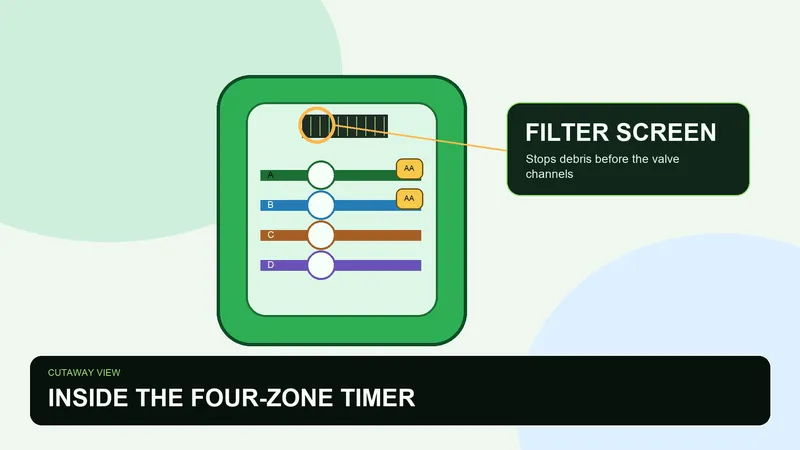
- Timers and backflow accessories often contain small chambers and delicate seals; therefore, a little ice can distort the casing or completely destroy the valve mechanism.
UK reality check: freezing isn’t rare
Freezing nights are common across much of the UK in winter. For example, according to UK guidelines and climate data from the Met Office, air frost (minimum air temperature below 0°C) occurs widely each year across the UK, with frequency varying by region and elevation. As a result, it’s best to plan for frost as a normal event rather than a once-in-a-decade surprise. (Source: Met Office, climate and weather guidance on frost; see metoffice.gov.uk)
Additionally, there’s a household safety angle. Burst outdoor taps or pipes can create dangerous slip hazards and water damage. The NHS regularly advises extra caution around icy surfaces in winter because falls are a major cause of injury — and leaking water that freezes on paths is the last thing you need. This is yet another crucial reason to prevent frozen outdoor taps and stop drips early.
When should I winterise my garden irrigation system in the UK?
Don’t wait until the first freeze is on the forecast — by then, water may already be trapped in your lines. In most UK gardens, a sensible rule is to follow a proactive timeline:
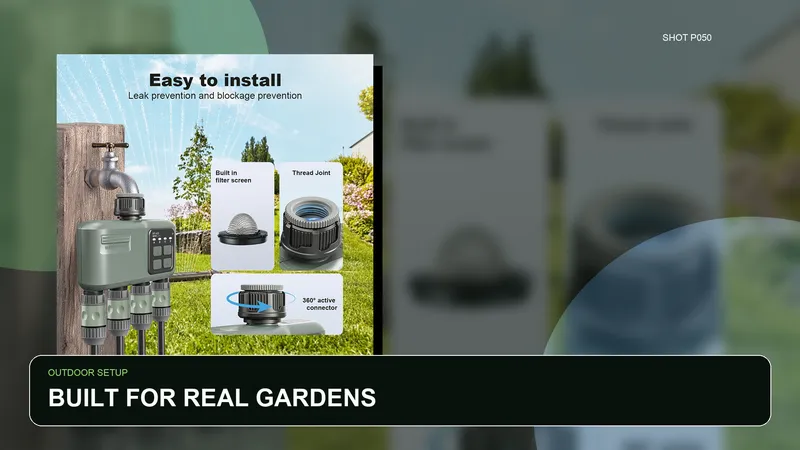
- Begin planning in September (order insulation, spare washers, replacement connectors).
- Winterise in October or early November, or as soon as you’re confident regular watering is finished.
- Earlier if you’re in a colder area (such as higher ground, inland valleys, or northern regions) or if your irrigation pipework is highly exposed.
Use these triggers rather than the calendar
- Night-time lows repeatedly under 4°C: you’re approaching immediate frost risk.
- Plants are entering dormancy: lawns slow down, and beds need significantly less water.
- You’ve stopped using the greenhouse or outdoor taps daily: this is the ideal moment to drain and isolate the system.
If you use automation, don’t forget to adjust the schedule first. Many gardeners run systems too late into autumn because the timer is still set to summer routines. If you’re upgrading, our round-up of budget-friendly automation is useful: best smart tap timers for UK gardens under £100.
How do I protect my water timer from frost?
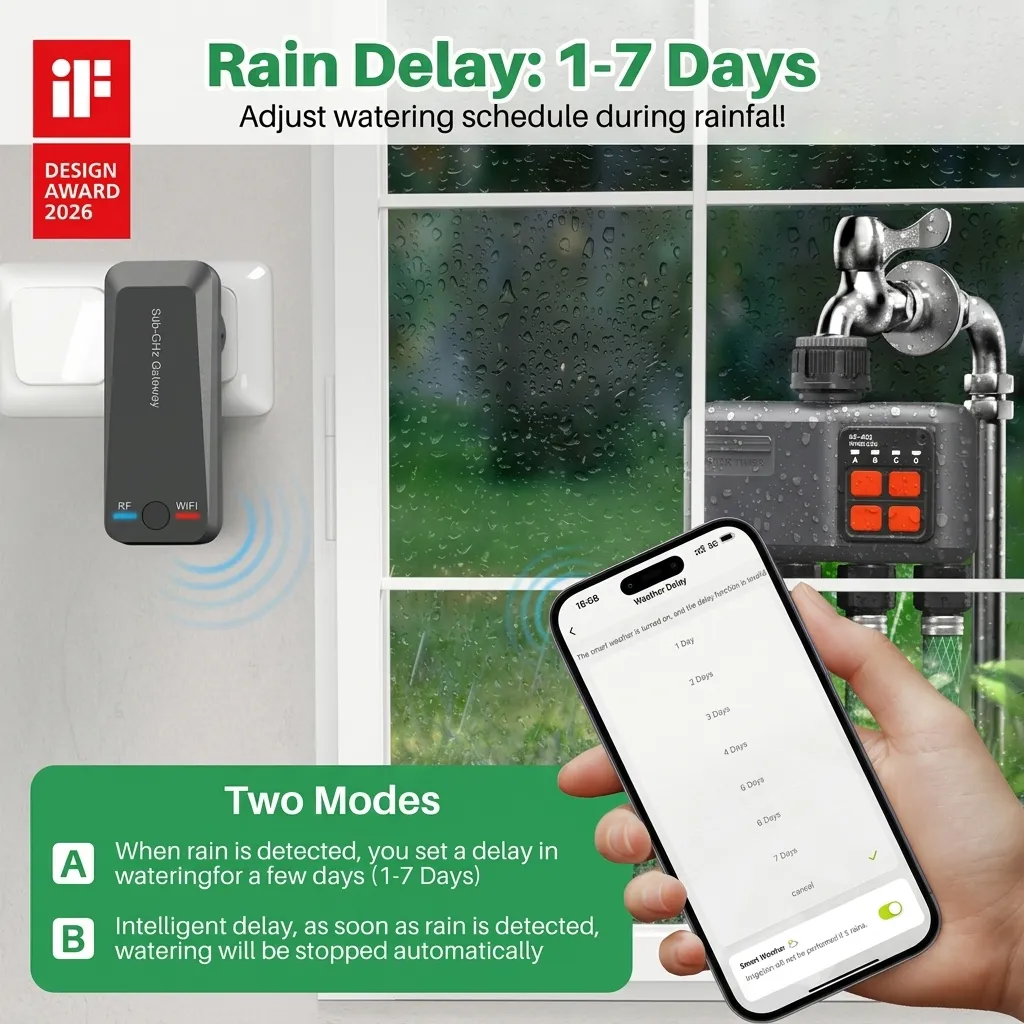
Crucially, your timer is usually the most expensive single component in a basic garden system — and fortunately, one of the easiest to protect. Based on our testing at Johgee Irrigation, here’s a safe method that works for the majority of UK outdoor tap timers (including common Hozelock-style connectors and similar British brands).
Step-by-step: protect water timer from frost
- Turn off the water supply at the indoor stop tap if your outside tap is fed from it, or close any dedicated isolating valve. Never rely on the timer itself to hold pressure over winter.
- Release pressure by opening the outside tap briefly (or running a manual cycle) until the water flow completely stops.
- Remove the timer from the tap. Next, inspect the O-ring/washer; if it’s cracked or flattened, replace it now (it's a cheap part that has a big impact on preventing spring leaks).
- Remove batteries (if applicable). Batteries can leak in cold conditions and severely corrode terminals.
- Dry it thoroughly and store indoors in a frost-free place, such as a utility room, airing cupboard, or a dry shed that doesn’t freeze.
- Store with the manual or take a photo of your settings and connector order so reinstallation is quick and straightforward.
What about smart timers and Wi-Fi hubs?
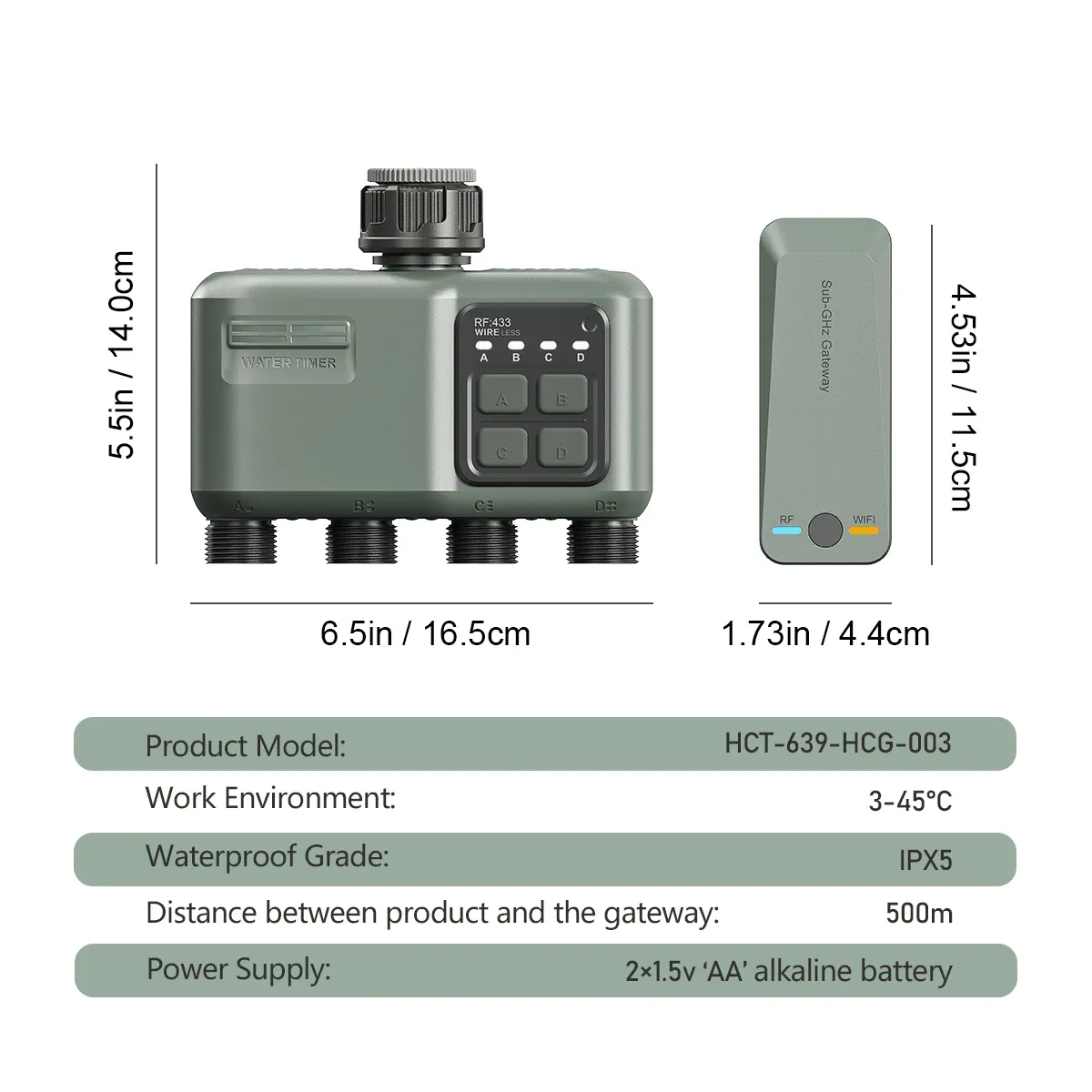
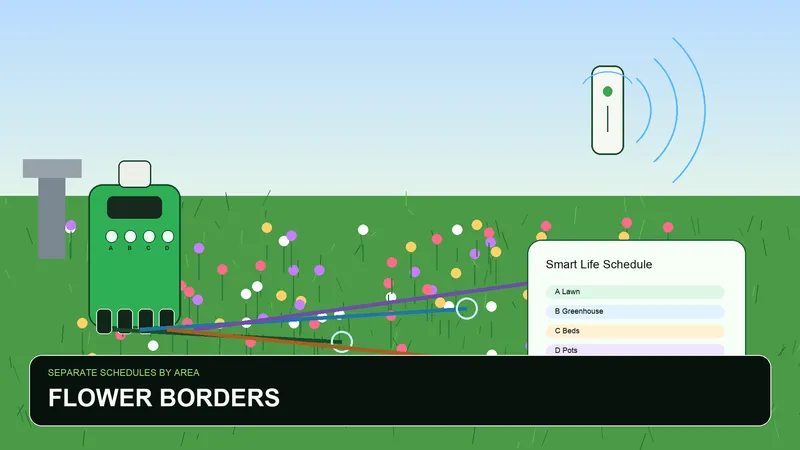
Smart timers and gateways are particularly sensitive to moisture and temperature swings. If you’ve got a hub mounted in a sheltered area, it is highly recommended to bring it indoors too. Conversely, if you must leave any part outside, ensure it is genuinely rated for outdoor use (check the IP rating) and not exposed to driving rain.
For a bigger-picture view of how timers fit into a complete setup (including drip, sprinklers, zones, and pressure), see our pillar guide: Ultimate Guide to Garden Irrigation Systems in the UK.
How do you drain a garden hose and drip lines for winter?
Ultimately, most winter failures come down to one single issue: water left in the system. Therefore, the goal is simple — remove as much water as possible so there’s absolutely nothing left to freeze and expand.
How to drain a garden hose for winter: a reliable method
- Disconnect the hose from the tap and any timers or accessories.
- Walk the hose out straight along a path or lawn, because kinks will trap water.
- Lift one end and “milk” the hose towards the other end, steadily pushing water out as you go.
- Hang to drip-dry for 10–20 minutes if possible (ideally over a drain or gravel area).
- Coil and store in a shed or garage. Avoid tight coils that can crack in cold weather.
Ready to try Johgee Irrigation?
Shop Now — £84.99